Description
Ordering without a cart
Order a barrel directly – pay the courier on delivery
Fill in a short order form and we will get in touch to confirm the dimensions, availability and delivery time. No deposit and no registration.
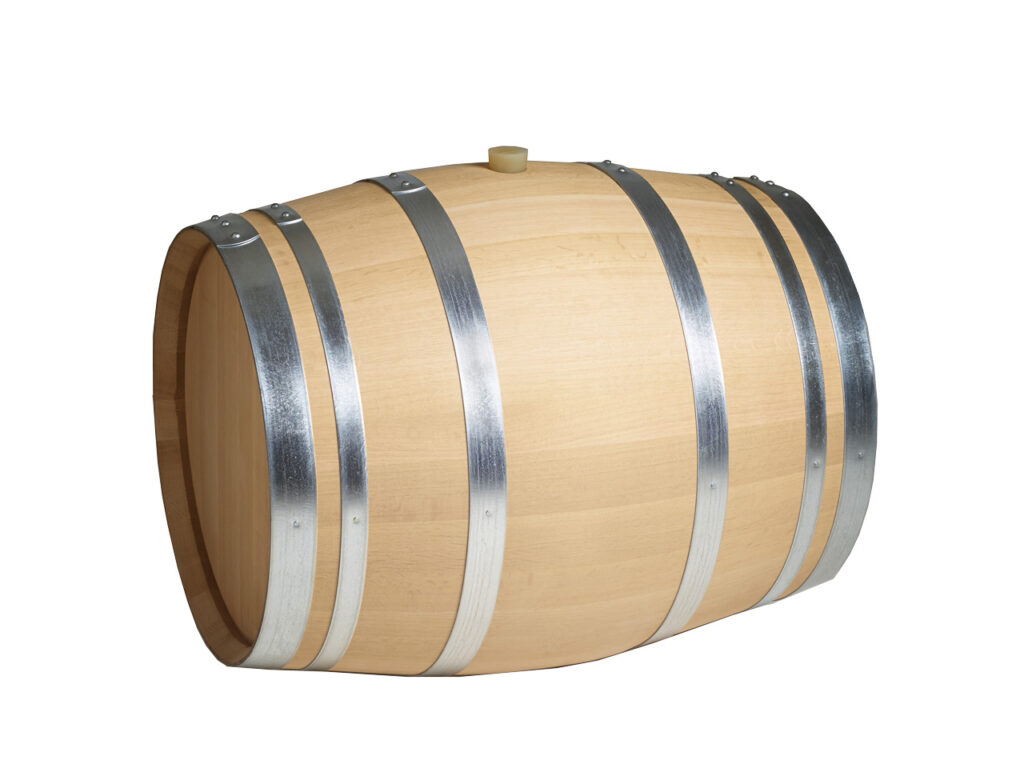
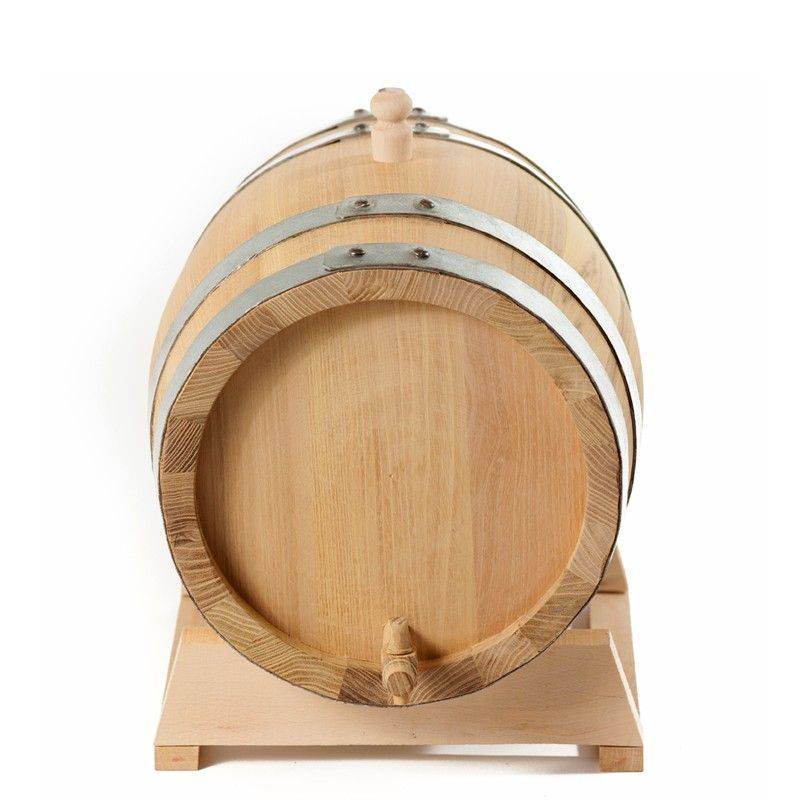
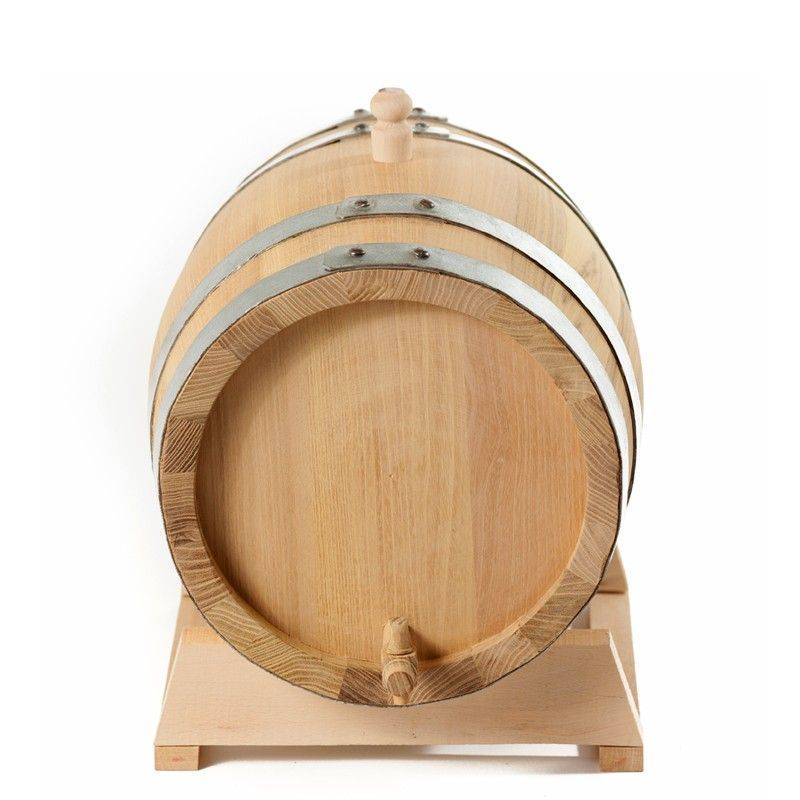
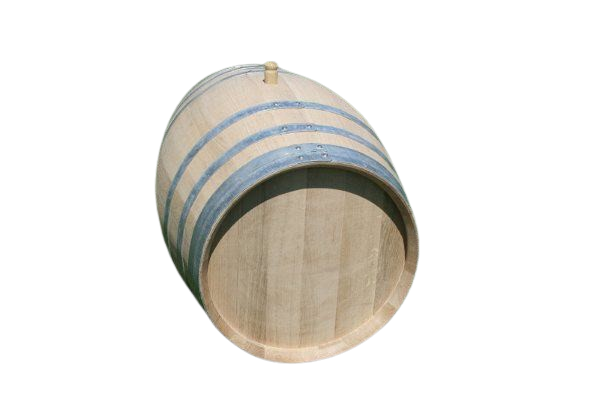
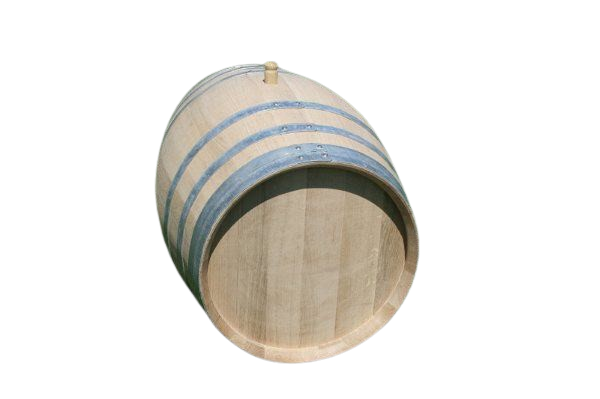
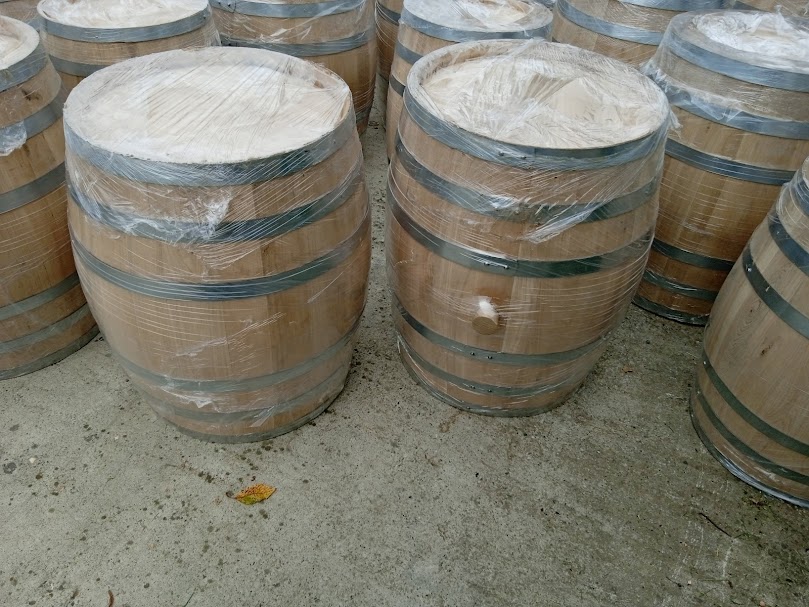
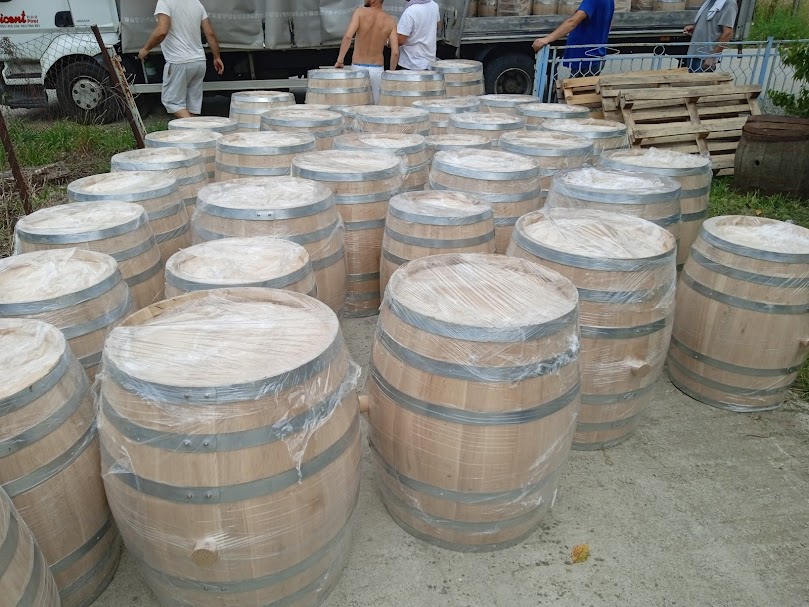
Wooden barrel of 225 litres with a stand (barrique) is produced of oak. Wooden barrels can have galvanised or black hoops.
Although fermentation in a wooden barrel can add a specific and complex flavour to wine, today it is common for the wine to mature in large tanks and then be transferred into barrels for ageing.
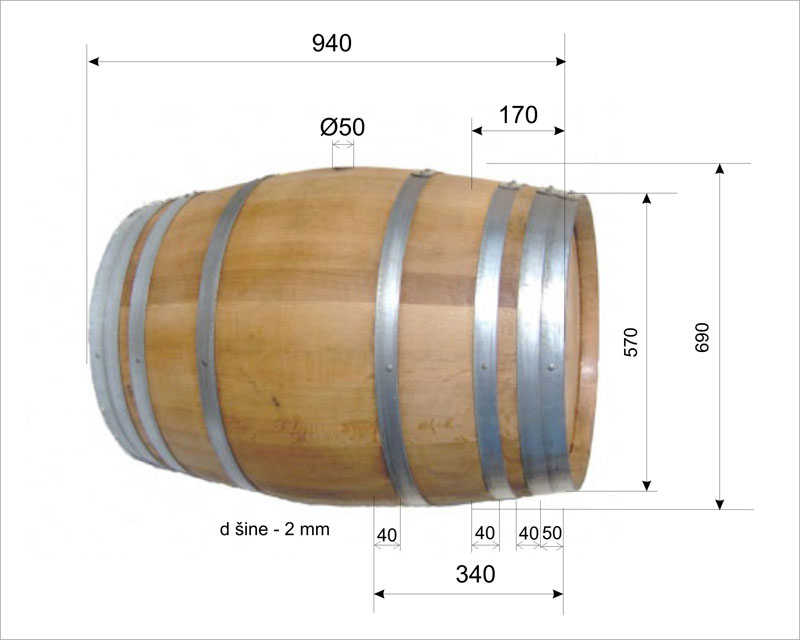
Oak can add a variety of aromas and flavours to wine, such as butter, vanilla, dill, coconut, cloves, caramel or cinnamon. Serbian oak can add a much stronger aroma than French oak. In the production of barrique barrels we use sessile oak and downy oak. A 225-litre barrel has two hoops 50 mm wide (in the middle of the barrel) and two hoops 40 mm wide (at the ends of the barrel).
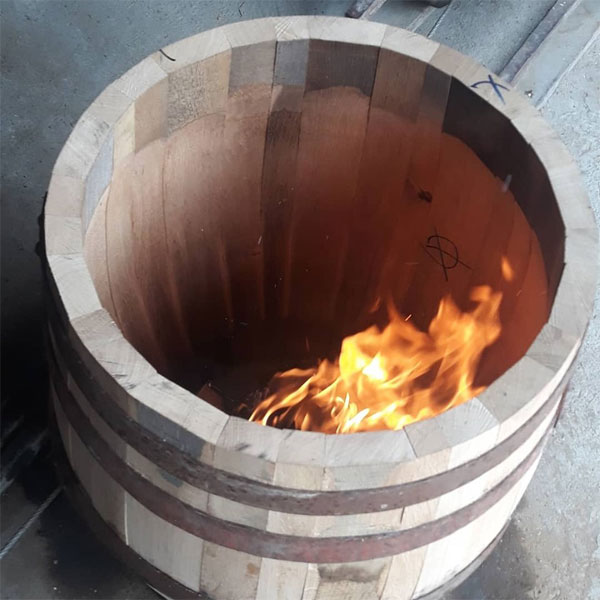
We produce barrique barrels in three levels of toasting: light, medium and heavy.
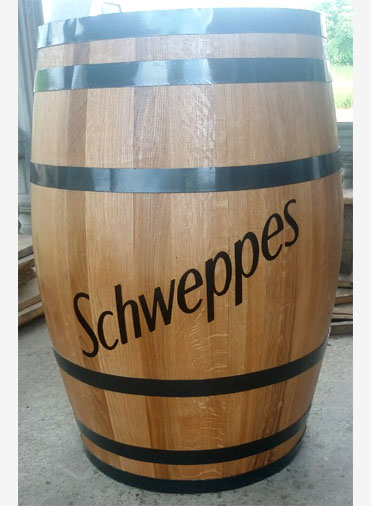
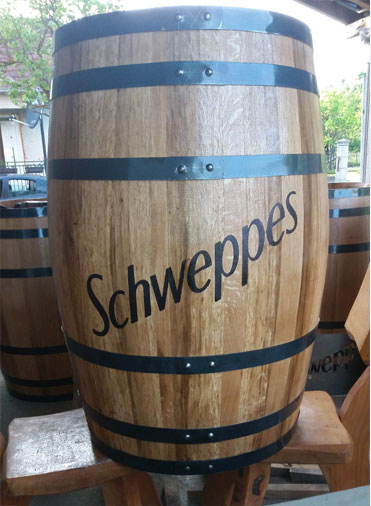
These barrels have galvanised hoops as standard, but according to customer requests we can also make them with black hoops. We can also brand the barrels if required.
Superior craftsmanship for maximum quality
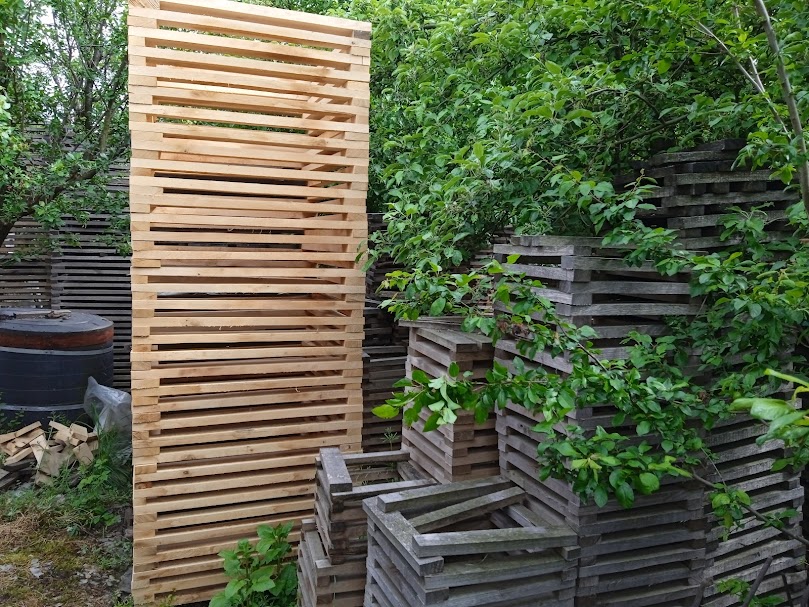
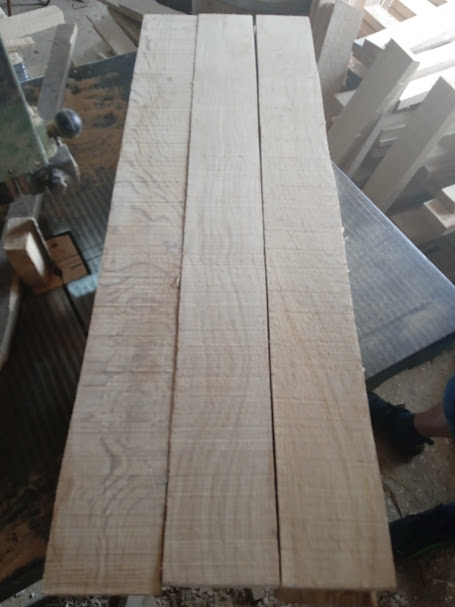
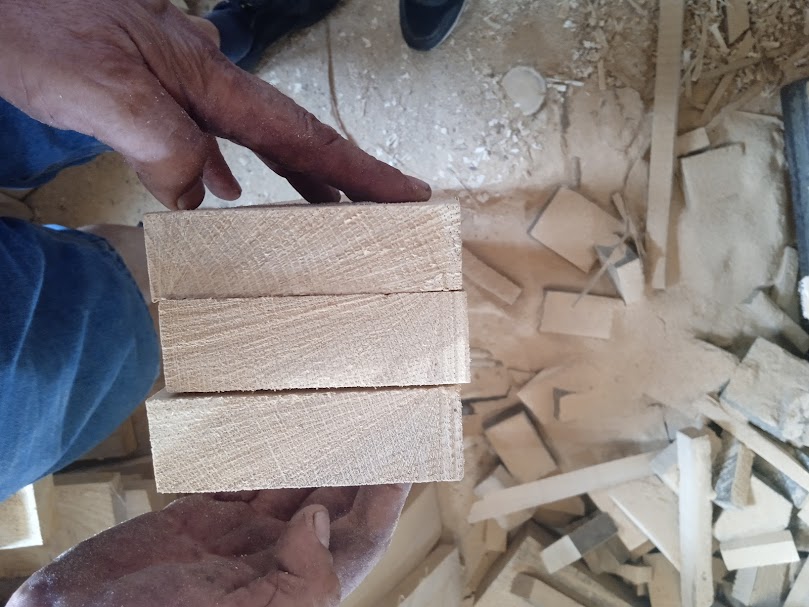
The production of a 225-litre barrique barrel starts with the selection of the best sessile oak, whose natural characteristics complement and enrich every drink. Thanks to an expertly controlled drying process, the oak loses the harshness of its tannins while keeping the qualities that matter for ageing. Every barrel is made with precision and care, using traditional techniques, so that each detail contributes to the overall quality and durability.
The right capacity for varied needs
A capacity of 225 litres makes these barrique barrels particularly suitable for wineries and distilleries that want to produce larger volumes without sacrificing quality. The larger volume allows more efficient micro-oxygenation and interaction between the drink and the wood, which results in richer and more complex aromas. This capacity is ideal for producers who want to make the most of their ageing capacity without compromising on quality.
Aesthetics that inspire
Besides improving the quality of the drink, the look of our 225-litre barrique barrels can transform a space. The classic design and the fine finish of the oak add sophistication and draw attention, making a winery or a distillery a place that visitors want to explore and remember.
Origin and characteristics
Bordelaise (Bordeaux) barrels
Volume and dimensions: a typical Bordeaux barrel holds 225 litres, which has become the standard in winemaking. These barrels are relatively tall and narrow compared with Burgundy barrels.
Height: about 95 cm (37 in)
Diameter: about 60 cm (23–24 in) at the middle, the widest part of the barrel.
Effect on wine: Bordeaux barrels are known for adding structure and tannins to wine, which makes them ideal for robust red wines such as Cabernet Sauvignon and Merlot. Toasting the inside of the barrel can further influence the intensity of the flavour passed on to the wine, with heavier toasting giving deeper notes of smoke and vanilla.
Bourguignonne (Burgundy) barrels
Volume and dimensions: Burgundy barrels are wider and shorter than Bordeaux barrels, with a standard volume of about 228 litres. The greater width allows a larger contact surface between the wine and the wood.
Height: about 88 cm (about 34–35 in)
Diameter: about 72 cm (about 28 in) at the middle, the widest part of the barrel.
Effect on wine: these barrels are ideal for delicate wines such as Pinot Noir, because they allow a more subtle integration of wood tannins and aromas. Burgundy barrels often give wines a more sophisticated texture with a more complex aromatic profile, adding notes of spice, fruit and flowers without the wood dominating.
Differences in practice
Although both types of barrel are designed to improve the characteristics of wine, their physical shape plays a decisive part in determining which wines will age best in them. Because of its tall, narrow form, a Bordeaux barrel allows less exchange of oxygen between the wine and its surroundings, which results in slower oxidation and maturation. A Burgundy barrel, with its wider base, allows somewhat faster oxidation, which can be desirable for wines that need to develop complexity and softness more quickly.
While Bordeaux barrels may be the better choice for producers who want to add structure and strength to their wines, Burgundy barrels are ideal for those who want to emphasise finesse and aromatic complexity. In either case, using barrique barrels is a craft that calls for deep understanding and skill, and it can enrich the experience of the wine considerably.
To reduce the effect of tannins from the wooden barrel, you should do the following:
1. Fill the barrel with hot water, let the water cool, then empty the barrel.
2. Fill the barrel again, this time with cold water, let the water temperature rise to room temperature and empty the barrel again.
3. You will notice that during the first few rinses, black or brown water comes out of the barrel. Fill the barrel a few more times, until clear water starts coming out of it.
In this way the level of tannins from the oak will be reduced and they will have less effect on the drinks you keep in the barrel. If you want an even lower tannin level, repeat the cold water rinse several times.
It is important to note that a brand new barrel may leak at first, even for the first few days. This is completely normal, because during filling the staves expand and adhere better to each other and thus seal the barrel. If you leave the barrel empty, after a few weeks the staves will start to shrink again, and in that case you need to refill the barrel with cold water to expand them. When filling the barrel with water, do not use the bungs.