
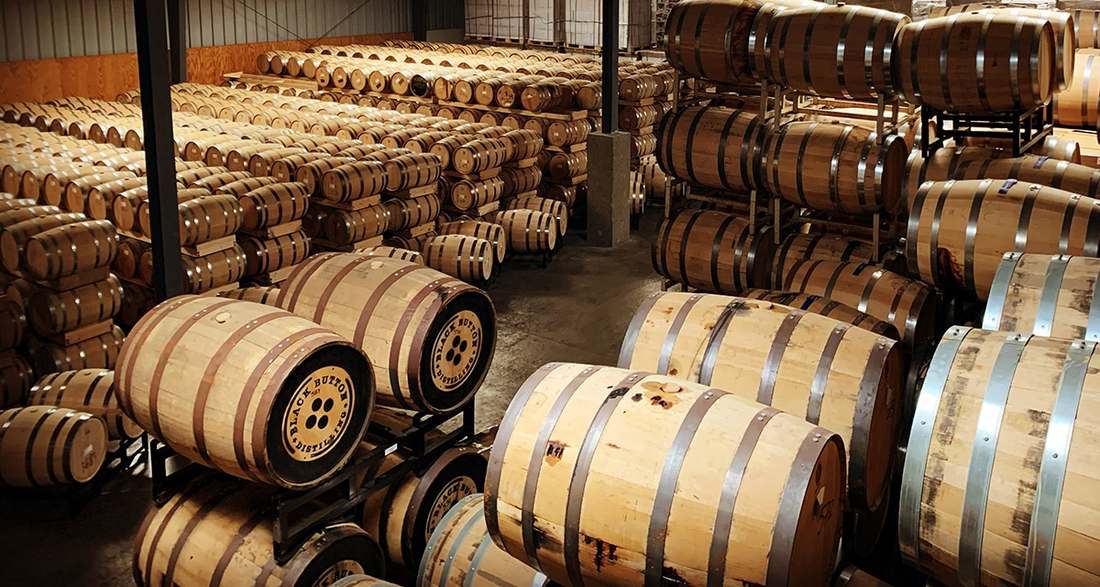
In the world of whisky, maturation is not simply one step in production – it is a creative process, a craft that calls for expertise and patience. Over this important period whisky becomes more than an alcoholic drink; it develops the complexity, depth of flavour and aroma that distinguish every brand and expression. Maturation is the key step in forming a whisky’s identity, and in this article we look at how ageing works the change that turns a distillate into one of the best-known spirits in the world.
An introduction to whisky maturation
From the moment the distilled spirit leaves the still to the moment it is bottled as a finished product, whisky goes through a journey known as maturation. This process, which normally takes place in oak barrels, is essential to the development of flavour, colour and aroma. Over the years the whisky absorbs the aromas and particular character of the barrel, building the complexity that marks out a high-quality spirit.
Extraction: drawing out what oak has to give
One of the most important aspects of maturation is extraction, the process in which the alcohol interacts with the wood of the barrel and draws out the essential components that shape flavour and aroma. Oak is particularly rich in compounds such as vanillin, tannins and lignin, which dissolve gradually into the spirit over the period of maturation. These give whisky its characteristic notes of vanilla, caramel and oak, and make it recognisable and sought after.
Chemical reactions: change at the molecular level
Alongside extraction, various chemical reactions take place during ageing that shape flavour and colour further. One of the key reactions is oxidation, where the whisky comes into contact with air inside the barrel. This interaction leads to the development of fruity and floral aromas, and to the formation of aldehydes and ketones, which add complexity and depth.
The other important reaction is esterification, in which esters form through the interaction of alcohol and organic acids in the whisky. Esters are responsible for its fruity and floral notes, and their formation depends on factors such as the temperature and humidity of the place where the whisky matures. These complex molecular processes account for much of the range of flavours and aromas that whisky can offer.
Length of maturation: a decisive factor in character
The length of maturation plays a key part in forming a whisky’s flavour and aroma profile. In the United States, whisky must mature for at least two years to be labelled straight whiskey, while many whiskies mature considerably longer, often more than two decades. Through that time the spirit develops and changes, becoming richer, more complex and better balanced.
The influence of the barrel: choice of material as a decisive factor
The type of wood used to make the barrel also has a marked effect on the final flavour. Oak is the most widely used wood, for its durability and its wealth of compounds, but barrels made from other woods such as cherry, maple or hickory can also add aromas and characteristics of their own. Every wood has qualities that can enrich a whisky in its own way, which opens a wide range of possibilities for the distiller.
Maturing whisky is more than simply waiting – it is a dynamic and complex process that demands skill, expertise and attention. Through interaction with the wood of the barrel, through chemical reactions and through carefully chosen periods of time, whisky is transformed from a distillate into a work of craft. Every sip tells the story of years of careful maturation and careful handling, and creates an experience to remember. In the world of whisky, maturation is not simply a step in production – it is the heart of this remarkable spirit.
Instead of traditional barrels, some distilleries use wood chips, cubes or staves added to an existing barrel during ageing. This allows faster extraction of aroma and flavour from the wood, which can give the whisky more pronounced character in a shorter time.