
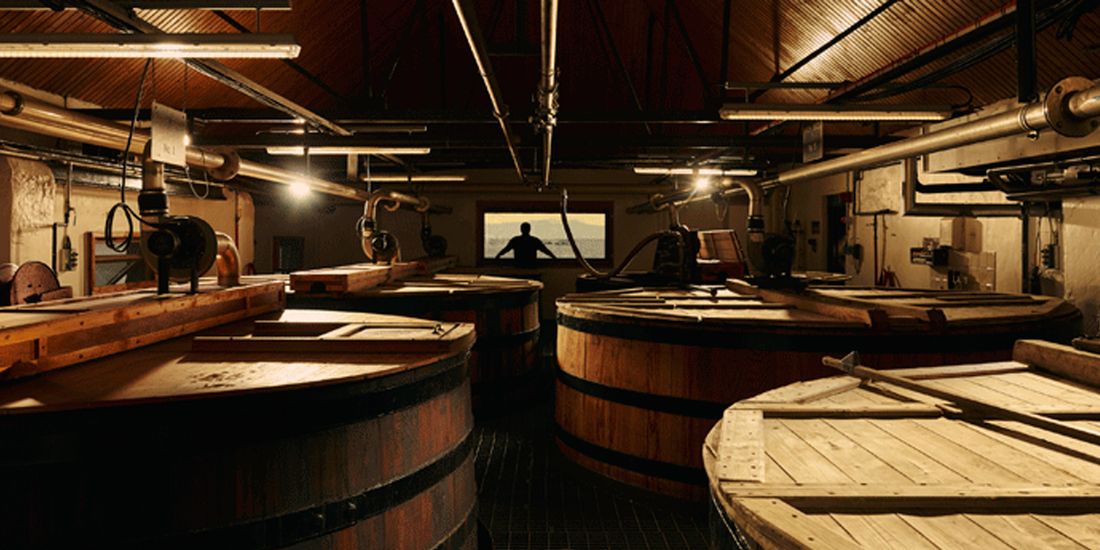
Fermentation is a key step in whisky production, the stage at which the sugars in the wort are converted into alcohol and into other compounds that give the finished spirit its complexity of flavour and aroma. The process calls for careful handling and control if the whisky is to reach the quality intended. Below we look at each part of fermentation in detail, and at the factors that matter most.
1. Preparing the wort and pitching the yeast
The first step is preparing the wort, which comes from the cooled mash after lautering. The wort is transferred to the fermentation vessel and the appropriate strain of yeast is added. Saccharomyces cerevisiae is typically used, a yeast suited to converting sugar into alcohol and widely used in brewing and winemaking as well.
2. The fermentation process
During fermentation the yeast cells metabolise the sugars in the wort and produce alcohol, carbon dioxide and other by-products. The alcohol content of the wort rises gradually as more sugar is converted. The process usually takes anywhere from a few days to a week or more, depending on the particular recipe and the alcohol content sought.
3. Temperature control
Temperature during fermentation plays a key part in yeast activity and in shaping the flavour and aroma profile of the whisky. The ideal fermentation temperature usually lies between 20 °C and 25 °C, though it can vary with the producer’s preference and with the particular characteristics of the yeast and the grain. Careful temperature control provides optimum conditions for the yeast and ensures the intended flavour and aroma profile is achieved.
4. Fermentation vessels
Whisky fermentation uses vessels designed to provide optimum conditions for yeast growth and activity, and for producing high-quality spirit. The vessels most often used are wooden washbacks and stainless steel tanks. Here is a closer look at both:
- Wooden washbacks: traditionally, whisky is fermented in large wooden vessels. These are usually made of oak or other woods that can add to the complexity of flavour and aroma. Oak in particular is able to pass subtle notes of wood, spice and vanilla into the fermenting liquid, which contributes to the richness of the finished spirit. Wooden washbacks also present a somewhat more permeable surface than stainless steel, which can contribute a distinctive microbiological environment and add complexity to the fermentation. It should be said, though, that modern whisky production increasingly uses stainless steel fermentation tanks for their practicality and the easier control they allow.
- Stainless steel tanks: in modern industrial whisky production, stainless steel fermentation tanks are used more and more. They offer a high degree of control over fermentation, allowing temperature, pH and other parameters to be regulated precisely. Stainless steel is also hygienic and easier to maintain than wood, which makes cleaning straightforward and helps prevent contamination of the fermenting liquid. Stainless steel does not contribute the same complexity of flavour and aroma as wood, but it does allow a consistent and reliable fermentation.
In both cases the vessels must be properly cleaned and sanitised before use, to prevent contamination and ensure the whisky reaches the quality intended. They also need to be large enough to hold the whole volume of wort to be fermented, allowing for the space taken up by foaming and rising during the process.
5. By-products of fermentation
During fermentation the yeast cells produce a range of compounds that contribute to the flavour and aroma of the finished spirit. These include esters, aldehydes and higher alcohols, all formed as by-products of the process. Proper control of fermentation encourages the desirable by-products and adds to the complexity of the whisky.
6. Factors that shape whisky quality
The flavour and aroma of the finished whisky are shaped by several factors, including the type of grain used in the mash, the yeast strain used in fermentation, and the conditions under which fermentation takes place. These factors are controlled carefully so that the finished product has a consistent and desirable flavour profile.
Achieving a high-quality whisky means handling every step of fermentation carefully. That includes selecting the right yeast strain, controlling the temperature and monitoring the process closely so that the intended flavour and aroma profile is reached. Experienced technologists and distillers give this step particular attention, because it is where much of the quality and consistency of each product is decided.