
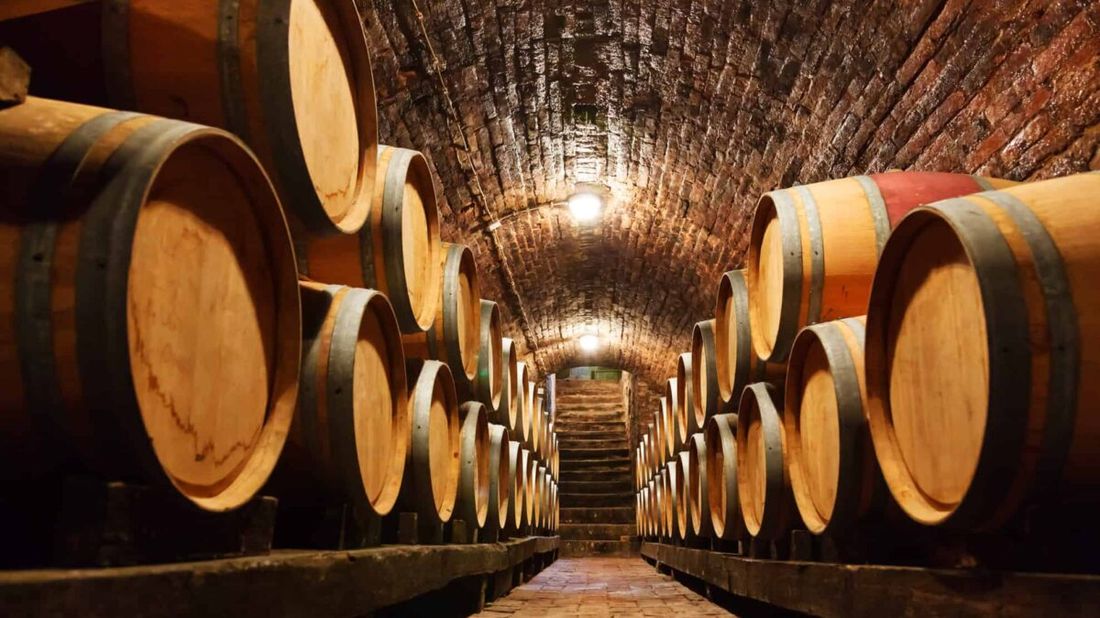
Ageing vinjak is not merely a necessary step in producing the spirit but a craft in its own right, one that determines its complexity, depth and overall quality. In this article we look at how a relatively simple wine distillate can develop into a spirit of rich aroma and soft texture.
Why the choice of barrel matters
The first step in ageing vinjak is choosing the right oak. Barrels made from particular oak species, such as Quercus sessiliflora and Q. iberica, are especially valued for their ability to improve the aroma and flavour of the distillate. Wood from dry, mountainous areas with a high lignin content is best for long-term air drying, which improves the quality of the future vinjak still further.
The technique of ageing and the chemical changes
After distillation the vinjak is transferred into new oak barrels, where it begins to take on its characteristic colour and texture. These new barrels are first rinsed with steam to draw out the harsh components, which is essential to achieving the golden-yellow colour of the vinjak. With the help of old oak wood, the distillate gradually takes up tannins and lignins, which are of fundamental importance to the development of softness and complexity.
The influence of time and of ageing conditions
Time plays a very important part in ageing vinjak. Some can mature after just a few years, while others need a decade or more to reach their full potential. The conditions in which the barrels rest – the temperature, humidity and ventilation of the storage space – are essential to controlling the chemical reactions that take place during ageing. Processes such as the oxidation of alcohol, esterification and the ethanolysis of lignin create the complex bouquet that a vinjak develops over the years.
Modern technology and innovation in ageing
In the search for more efficient methods, modern technologies for speeding up ageing are being explored. These include specially designed barrels, controlled exposure to light and sound, and the use of varying temperature and pressure to simulate years of ageing in a considerably shorter time. And instead of traditional oak barrels, modern production increasingly uses alternatives that speed the process up markedly, such as oak chips or cubes.
Final steps and preparing for the market
Once ageing has reached the quality intended, the vinjak is diluted to its optimum alcohol strength, stabilised and filtered before bottling. The finished product is then ready for labelling, with particular attention paid to stating the length of ageing, which helps consumers understand the quality and value of the vinjak they are buying.
Ageing vinjak is a sophisticated process that asks of the technologist both a scientific understanding and an artistic feel, so that the result is a spirit enthusiasts will value for years.
Through a combination of traditional methods and innovative techniques, producing vinjak today is a meeting of craft, science and commitment.