
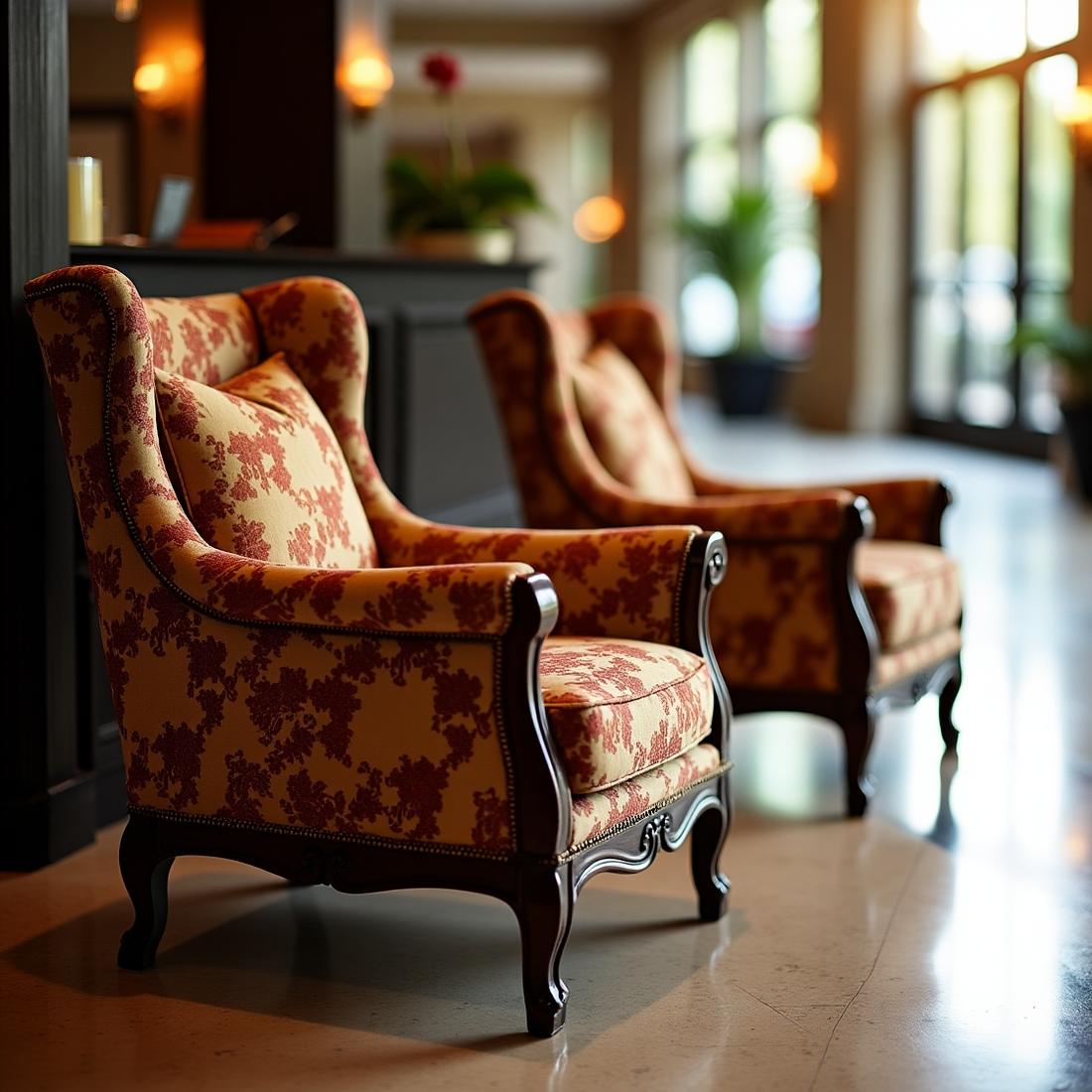
When we talk about the experience of a hotel, few people think first of the chair. They mention the beds, the pillows, breakfast, the view from the terrace, the pool or the friendly staff. Yet the chair is one of the least noticed and at the same time most important elements of a hotel interior. It is the quiet companion of almost every moment in a hotel – from check-in in the lobby to lounging in the lounge area, business meetings in the conference room or relaxing in the room with a book or a laptop.
For hoteliers a chair is an investment that has to last, and that has to impress the guest with its appearance and its comfort. For guests the chair is direct contact with the comfort the hotel offers – an almost intimate moment of ease or of discomfort.
1. What hoteliers want from a hotel chair
Durability. For a hotelier a chair is an investment that has to survive years of intensive use: frequent moving, being shifted for cleaning, constant use by guests of different weights and habits. Hoteliers therefore choose high-quality wood (beech, oak, ash), metal frames (steel, aluminium) and surfaces that are laminated and easy to maintain. A chair in a hotel restaurant has to withstand on average four to five sittings a day, spilled juice, wine or grease, and frequent cleaning with chemicals.
Ergonomic design. Hoteliers increasingly value ergonomics, not only in business spaces but in the rooms. A comfortable desk chair is becoming standard in hotel rooms, with lumbar support, height adjustment and stability when leaning back. Lounge chairs, by contrast, have to offer softness and a sense of enclosing the body.
Appearance and brand identity. A chair is part of the visual story of a hotel. Hoteliers choose models that fit the style of the house (modern, classic, rustic, minimalist, boho, luxurious), that reinforce the brand identity through colour, material or shape, and that create visual coherence. A boutique hotel will choose distinctive, often handmade chairs; a luxury hotel chairs in luxurious materials such as velvet and leather; a business hotel minimalism and neutral tones.
Maintenance and hygiene. Hotel chairs have to be easy to clean, to have fabrics that repel stains, and to tolerate frequent washing or wiping with disinfectant. Water-repellent fabrics and fabrics with antibacterial treatment are particularly popular. Some hotels use removable, washable covers, which saves the cost of replacing a whole chair.
Sustainability. More and more hotels invest in sustainable materials: FSC-certified wood, environmentally sound fabrics without harmful chemicals, and recycled materials all play a part in the choice.
2. What guests value most
Guests may not think in technical terms, but they know exactly what pleases them and what does not.
Comfort above all. However beautiful a chair is, if it is uncomfortable the guest will remember it. Guests expect softness together with firm enough support, a good backrest, armrests in lounge areas and enough room to sit. Many hotels receive poor reviews simply because the chair in the room is uncomfortable to sit in for longer than fifteen minutes.
Ergonomics. Business guests particularly value desk chairs that do not cause back pain, that adjust for height and that have castors for easy movement. An uncomfortable desk chair can spoil the impression even in a five-star hotel.
Practicality. Guests value chairs that are easy to move, options such as USB ports on lounge chairs, and somewhere to put a bag or a coat.
Atmosphere. For a guest the chair is part of the setting. Whether minimalist or extravagant, it has to fit the colours of the room, the style of the interior and the sense of privacy.
3. Types of chair in a hotel
- Lobby chairs – the first visual impression of the hotel; they must be comfortable while guests wait to check in, and are often of striking design, in velvet, leather or good-quality fabric.
- Lounge chairs – wider, softer, often with a high back and an enclosing design that creates a sense of privacy; luxury hotels prefer velvet, plush or leather.
- Restaurant chairs – they have to stand up to intensive service, clean easily and be ergonomic enough for longer sitting; stackable models are often chosen to save space.
- Conference chairs – light but stable, often folding or stackable, and upholstered for longer sitting.
- Chairs in the rooms – a desk chair, an armchair or a smaller lounge chair, and decorative chairs beside a coffee table.
4. Materials
Wood – beech, oak, ash, walnut. It brings warmth to a space, is long-lasting and durable, and needs a good finish.
Metal – aluminium or steel. A modern look, easier maintenance and resistance to wear.
Fabrics – velvet for a luxurious effect, polyester blends for stain resistance, leather and eco-leather. Fabrics with antibacterial protection are increasingly popular.
Plastic and polycarbonate – modern designs, easy maintenance, a lower price, often for outdoor use on terraces.
5. Trends in hotel chair design
Sustainable design. Hotels want to show environmental awareness and increasingly choose recycled materials, wood from sustainable sources and non-toxic finishes.
More than one function. A chair is no longer only a chair: modern designs include chargers for mobile phones, USB sockets and pockets for documents.
Personalisation. Hotels want branded backrests, distinctive fabrics and a design the competition does not have.
Vintage revival. In premium hotels, retro designs from the 1950s and 1960s are returning, with rounded shapes and warm colours.
6. How hoteliers choose a supplier
It is not enough for a chair to be handsome. Hoteliers look for certificates for the quality of the materials, a guarantee on the frame (often a minimum of five years), the possibility of servicing or replacing parts, personalisation of the design and evidence of sustainable production. Price matters, but quality and durability come first, because replacing chairs can be an extremely expensive undertaking.
7. Prices
The price of hotel chairs depends on the material, the design and the quantity. As a guide:
- a simple conference chair: 35-80 EUR
- a restaurant chair: 50-150 EUR
- a lounge chair: 150-400 EUR
- a luxurious armchair: 400-1,000 EUR and above
Many hotels invest more in lounge and lobby chairs, because these leave the stronger visual impression.
8. Unnoticed, but decisive
Few people look at the chairs when they walk into a hotel. But everyone feels them. If they are uncomfortable, guests will remember. If they are beautiful but cold and impractical, the impression is sour as well. The perfect balance of appearance, comfort, function and durability – that is the secret of a good hotel chair.
Hoteliers who pay attention to the choice of chairs reduce the cost of replacing equipment, raise the reputation of the hotel and improve their guest reviews. For the guest, the chair is where they will drink a coffee, check their email, doze off in the lobby or spend an hour in conversation.
And that is why a chair is far more than a piece of furniture. It is part of the story of the hotel and a sign of attention to the guest.